Plans Are Worthless, But Planning Is Everything (after Dwight D. Eisenhower)
Over the past several years, my current institution has gotten really good at creating plans. We created an equity plan; reaffirmed our mission and created vision and values along the way. We established a new strategic plan and now we are establishing a strategic growth plan. At the instruction level, I have worked with teams over three institutions to establish annual academic plans distilled from department and program area plans that, purportedly, use results and metrics to identify gains, gaps, and goals (3Gs). We even have created lists and lists of resource needs as part of annual operational plans, mapped to our strategic priorities.
The problems with plans, much like the trouble with tribbles, is that they proliferate and often become the goal, rather than pointing to desired ends. When plans are the goal, we get what we wanted upon completion of the plan. Then….nothing.
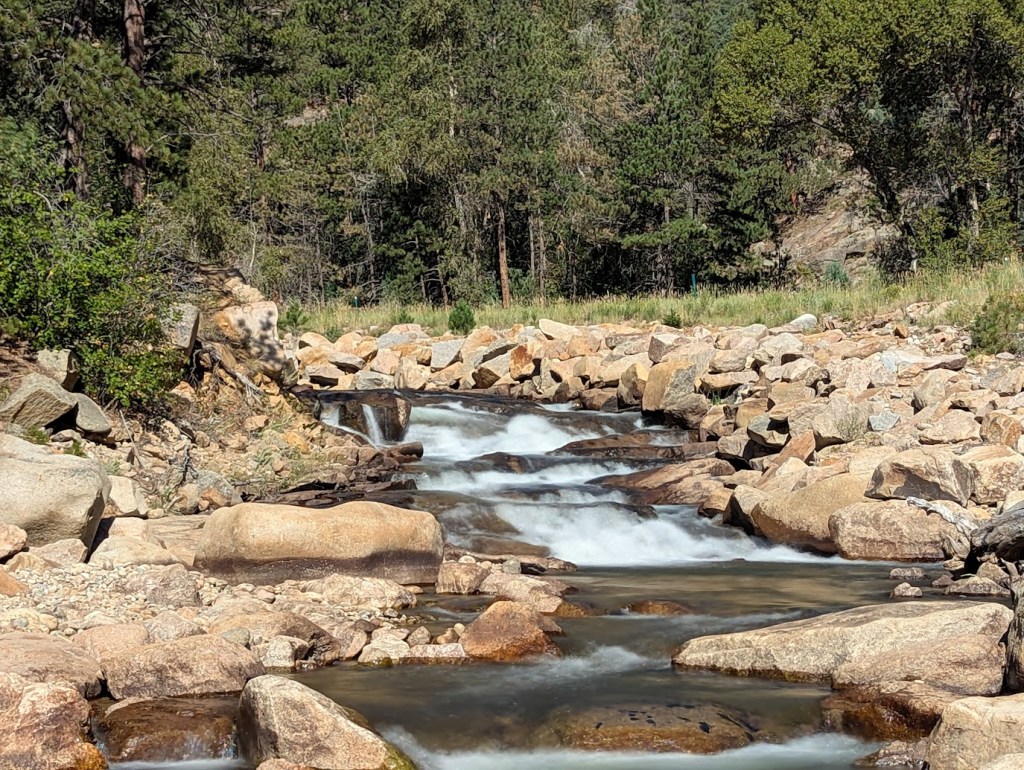
Between academic years, I often ask my team to revisit our academic plan and overlay our 3Gs framework. What did we achieve (Gains), where did we fall short (Gaps), and what to we want to do next (Goals). Revisiting the stuff inside a plan can bring that plan back to life. We have to mark the flow of progress, minding the eddies and backflows, bottlenecks and dams, to ensure that we get where want to be going. Yes, I am channeling the many wild rivers around me as a metaphor for flow. Water finds a way around obstacles, flowing inexorably to the next confluence…or to the sea. Planning, like flowing, is supposed to be an action, not an object.
All these plans do map nicely onto various planning processes that have been, for us, hopeful statements, not reality. For example, all acknowledge that the budget development cycle – with all its ideals for being stakeholder driven, strategic plan directed, and priority allocated – has simply not been implemented completely ever. Similarly, a cross-disciplinary team tasked with bringing a revised advising model forward has not produced a single unified product after eighteen months of effort. When the challenge is too great, consensus plagued by infighting, or paralyzed seeking perfection, plans are delayed. In the interim,…nothing.
Either way, without action, improvement isn’t possible. There is no flow.
Many years ago, I published a blog on continuous improvement inspired by a different metaphor, the cornfields around the college. Continuous improvement is defined as just that, improving continuously. At Richland, we tried to keep the problem-solution space small – to “five acres.” A cross disciplinary team worked the preferred option to make that small space better then handed off the product to another team, who redefined the problem, which had been improved upon by the prior team. This was planning AND acting. The plans were limited and nimble and we implemented them right away. Stuff got done. As each new team farmed their five acres, the college got better, one step at a time.

Reflecting on the quote attributed to President Eisenhower. I find myself impatient with all these plans to plan. I’m reminded of a scene in Ted Lasso where the star player sits on his hands refusing to practice because he didn’t get his way. Ted uncharacteristically loses his cool in his famous “I’m talking about practice” speech.
Well, I’m talking about acting planfully. I’m not talking about planning, I’m talking about acting on those plans, and doing so with my team right now. It’s the only way forward. Otherwise, …nothing..


Leave a comment